
GOOD OR BAD? / SEE WHAT YOU THINK
Good or Bad?
A guided exploration in how we make meaning.
GOOD OR BAD? / SEE WHAT YOU THINK
Good or Bad?
A guided exploration in how we make meaning.
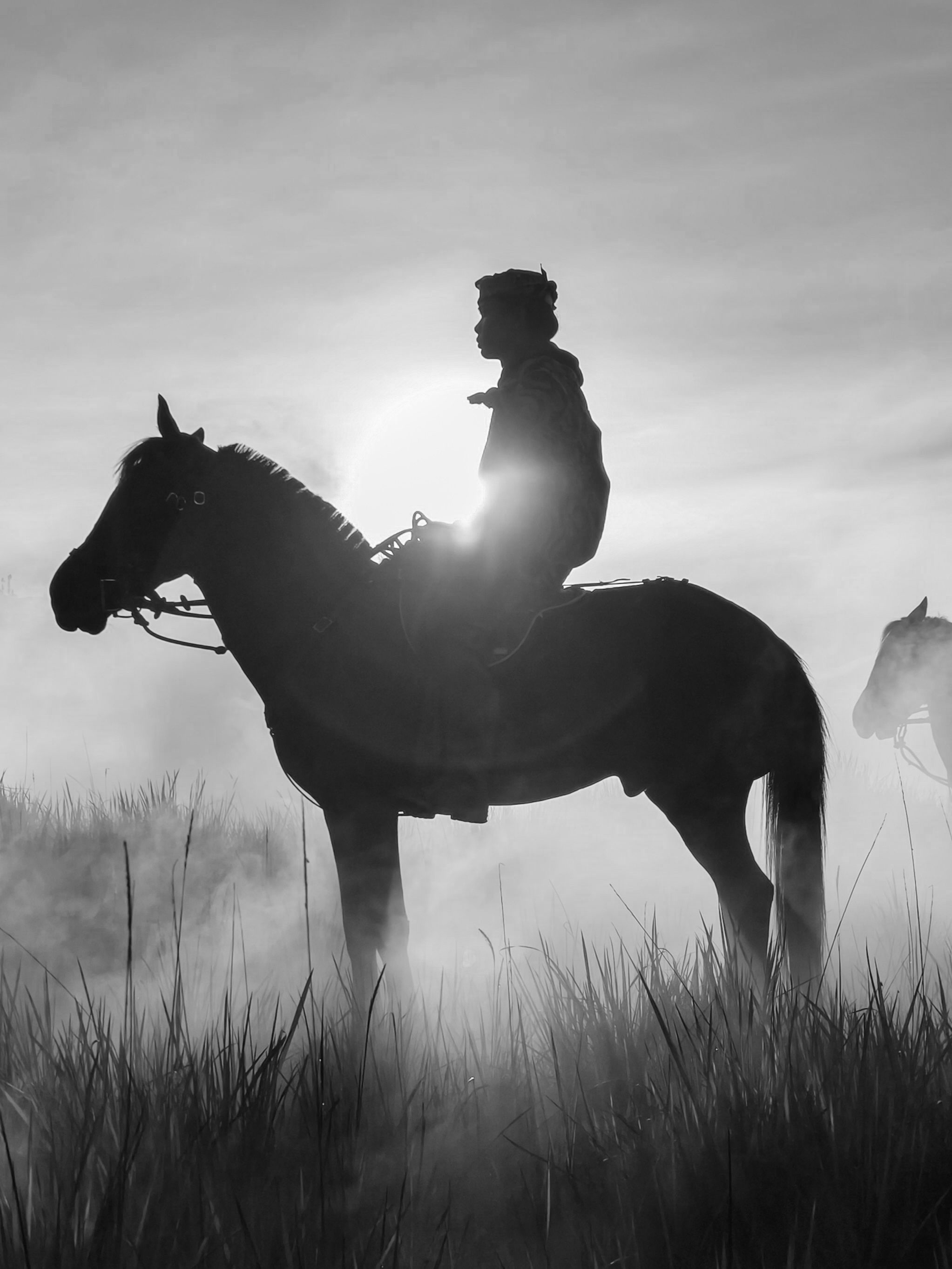
Status/ Invited to Guided Exploration
What happened hasn't changed. What it means has.
Have a go. See what happens.
It's free.
What happened hasn't changed. What it means has.
Have a go. See what happens.
It's free.
Good or Bad?
Details TBC.
A Guided Exploration - Live
Free
By the end of the evening, I'm pretty sure you'll start
to question how you've arrived at some of the meanings
you've attached to things.
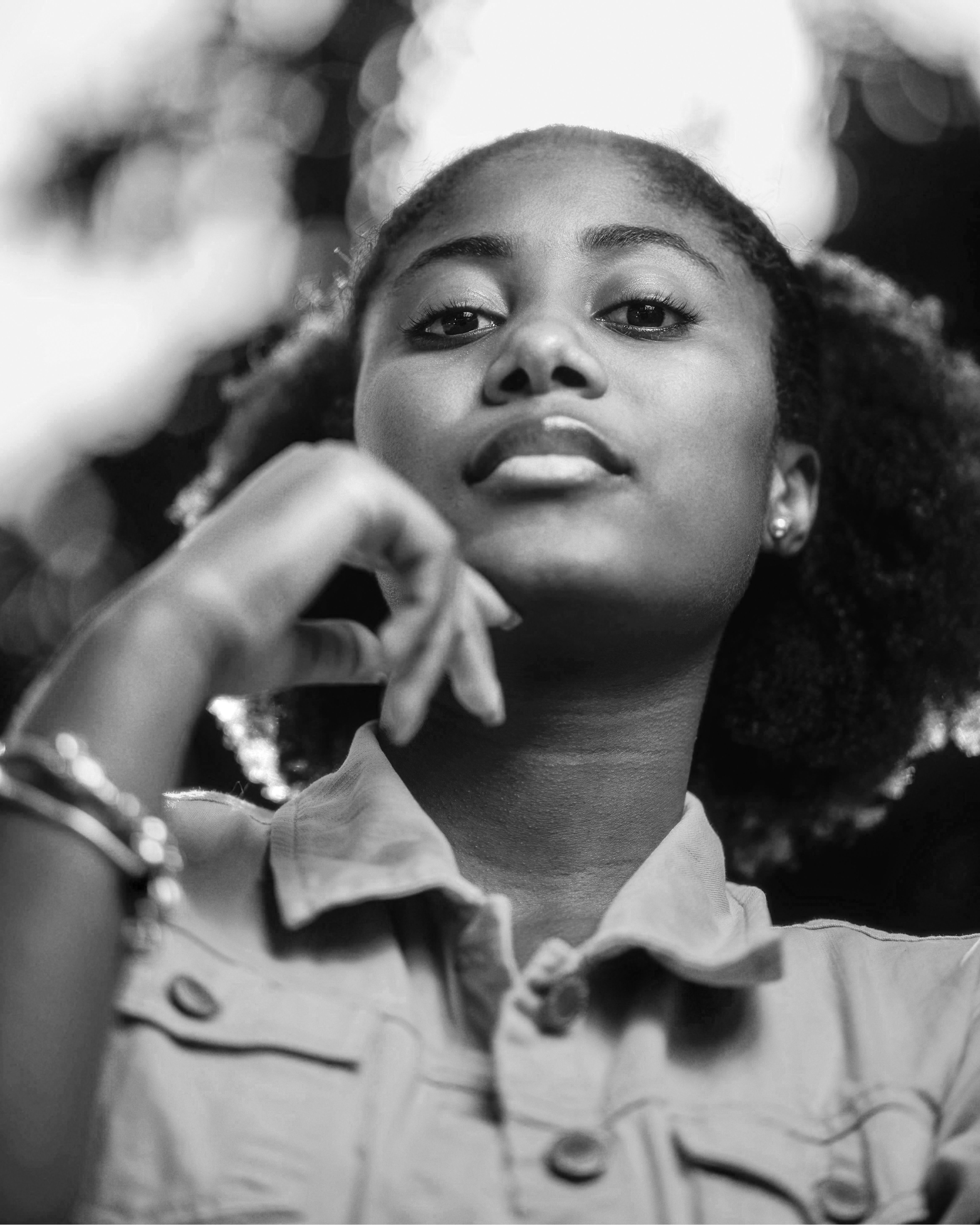
Good
or
Bad?
Details TBC
A Guided Exploration - Live
Free
By the end of the evening, I'm pretty sure you'll start to question how you've arrived at some of the meanings you've attached to things.
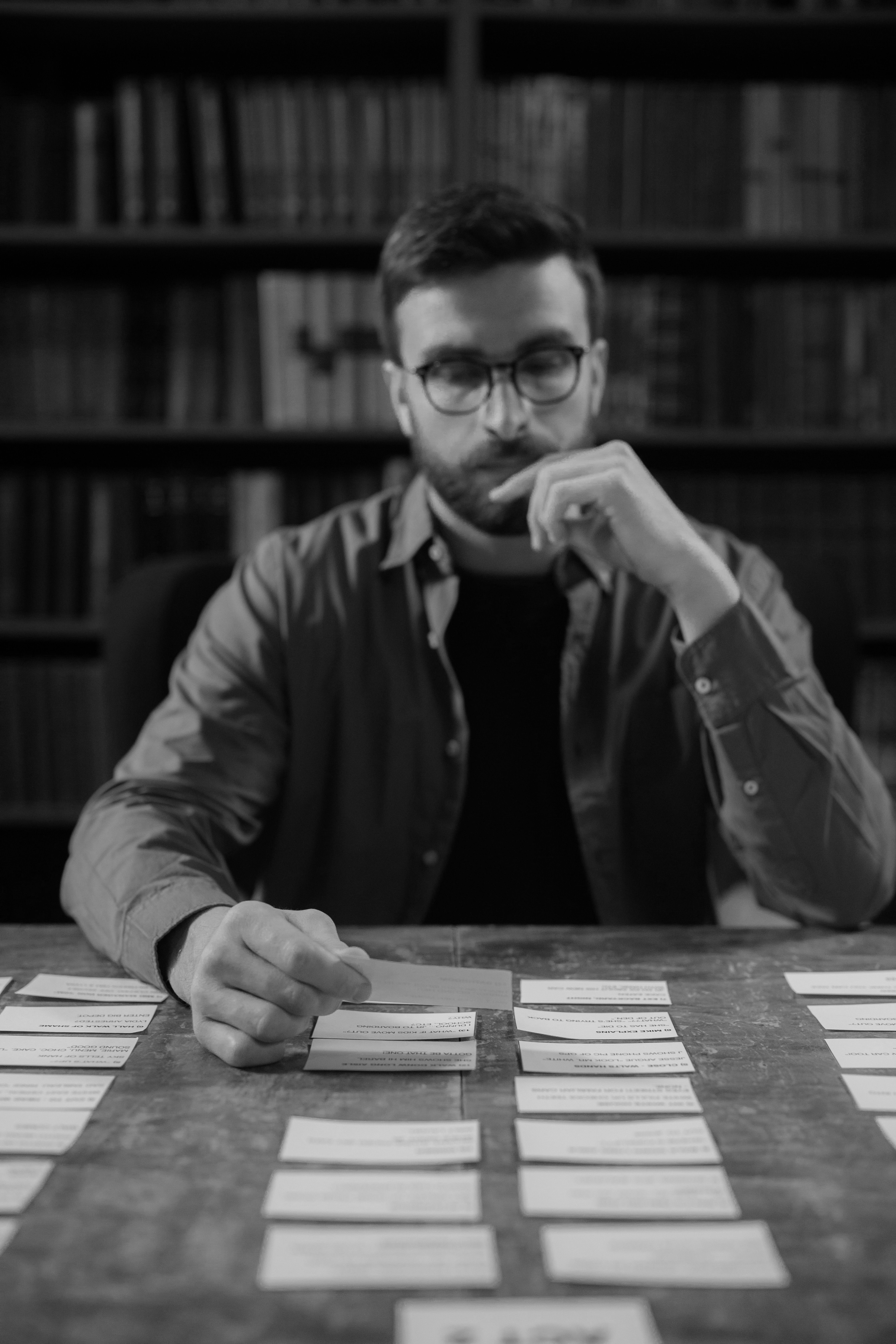
This is the bit that's interesting.
We all have ideas about what things mean and can tend to assume that everybody sees things the same way we do.
But what are the meanings we make from the things around us and how do we arrive at those particular meanings?
That's what we play around with in Good or Bad?
In this free online session we'll look at different stories and situations, what you think is happening, what other people think is happening and why we might have arrived at completely different meanings.
What makes something good or bad? What happened or what we've made it mean?
• What actually happened?
In every story there's the “what happened” and there's the story we tell about what happened. They don’t always match, entirely.
• What happens when we get more information?
The context in which something is placed - or removed - can lead us to discover something else about it. Does that change our original judgement? And why?
• How do we decide whether something is good or bad? What do we base that judgement on? Would somebody else looking at exactly the same situation come to the same conclusion? Not surprisingly, no. But to what extent?
We're going to look at:
Details TBC
A Guided Exploration
Live - Free
• Where do our interpretations come from?
What we’ve been told, experienced and the people we have around us goes into the meaning we give something - and the beliefs we consequently hold - but how relevant are those influences?
• How much of what we think we know is actually an interpretation? When we describe something as good, bad, right, wrong, fair or unfair, what do we reveal about the way we understand it?
• And what happens when we question it?
If we look at the same event or story from another perspective, does the meaning change? Why?
We're going to look at:
• What actually happened?
In every story there's the “what happened” and there's the story we tell about what happened. They don’t always match, entirely.
• What happens when we get more information?
The context in which something is placed - or removed - can lead us to discover something else about it. Does that change our original judgement? And why?
• How do we decide whether something is good or bad? What do we base that judgement on? Would somebody else looking at exactly the same situation come to the same conclusion? Not surprisingly, no. But to what extent?
• Where do our interpretations come from?
What we’ve been told, experienced and the people we have around us goes into the meaning we give something - and the beliefs we consequently hold - but how relevant are those influences?
• How much of what we think we know is actually an interpretation? When we describe something as good, bad, right, wrong, fair or unfair, what do we reveal about the way we understand it?
• And what happens when we question it?
If we look at the same event or story from another perspective, does the meaning change? Why?
Details TBC
A Guided Exploration
Live - Free
This is the bit that's interesting.
We all have ideas about what things mean and can tend to assume that everybody sees things the same way we do.
But what are the meanings we make from the things around us and how do we arrive at those particular meanings?
That's what we play around with in Good or Bad?
In this free masterclass, we'll look at different stories and situations, what you think is happening, what other people think is happening and why we might have arrived at completely different meanings.
What makes something good or bad? What happened or what we've made it mean?
We're going to look at:
• What actually happened?
In every story there's the “what happened” and there's the story we tell about what happened. They don’t always match, entirely.
• What happens when we get more information?
The context in which something is placed - or removed - can lead us to discover something else about it. Does that change our original judgement? And why?
• How do we decide whether something is good or bad? What do we base that judgement on? Would somebody else looking at exactly the same situation come to the same conclusion? Not surprisingly, no. But to what extent?
• Where do our interpretations come from?
What we’ve been told, experienced and the people we have around us goes into the meaning we give something - and the beliefs we consequently hold - but how relevant are those influences?
• How much of what we think we know is actually an interpretation? When we describe something as good, bad, right, wrong, fair or unfair, what do we reveal about the way we understand it?
• And what happens when we question it?
If we look at the same event or story from another perspective, does the meaning change? Why?
Details TBC
A Guided Exploration
Live - Free
It's not until that story is challenged in some way or it's delivered in a different way, or something else, there's an awareness brought to it, that we suddenly go, what does that actually mean?
Ask.
Got a question about
Good or Bad?
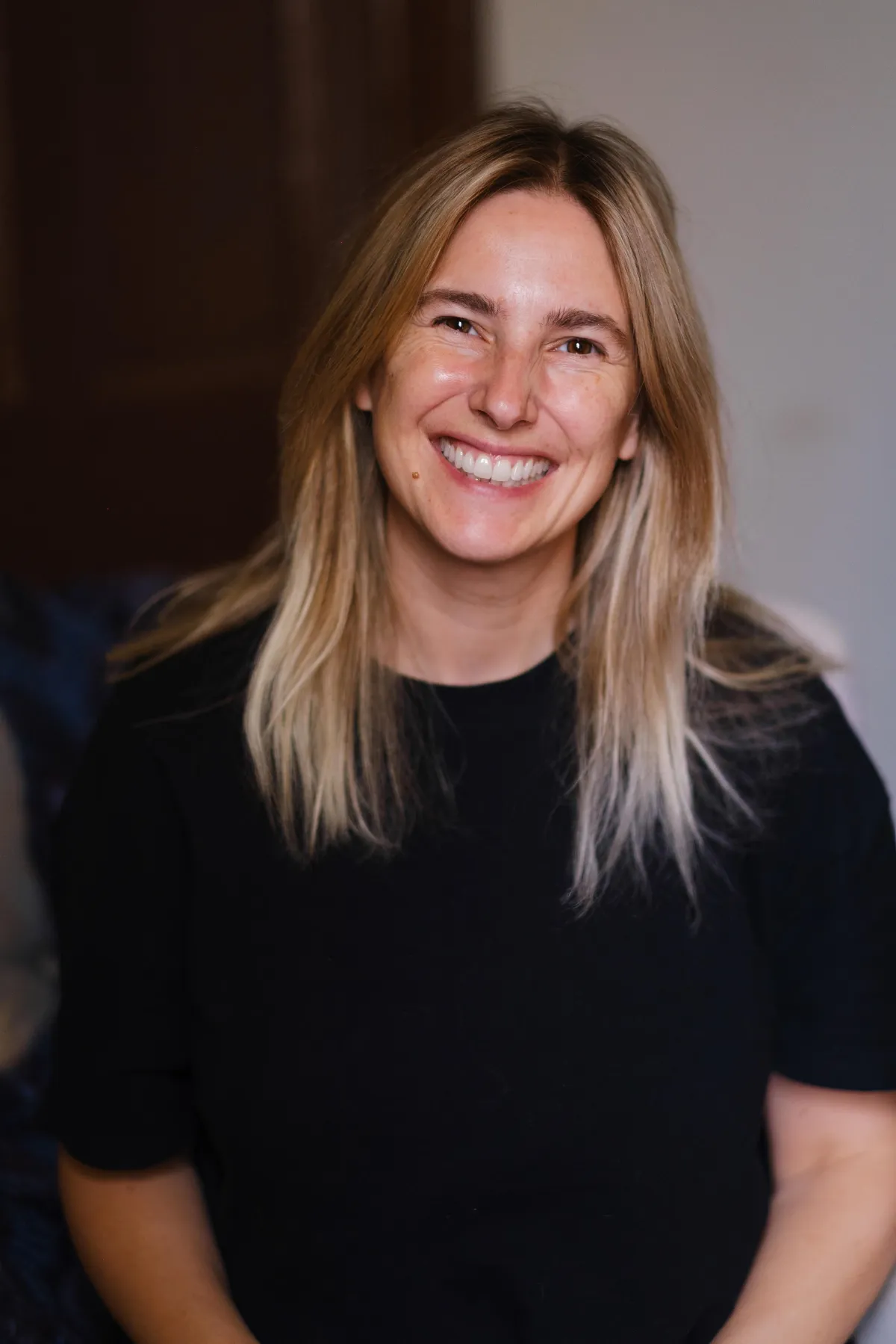
Hello. I'm Victoria Rose.
I’m interested in the stories we tell about ourselves and the meanings we’ve attached to them, where those meanings came from, how much of the story is what happened and how much is what we made it mean.
I explore that through conversations, writing, photography and portraits.
Find out more about my work. Read Exploration No.1
It's not until that story is challenged in some way or it's delivered in a different way, or something else, there's an awareness brought to it, that we suddenly go, what does that actually mean?
Ask.
Got a question about
Good or Bad?
Hello. I'm Victoria Rose.
I’m interested in the stories we tell about ourselves and the meanings we’ve attached to them, where those meanings came from, how much of the story is what happened and how much is what we made it mean.
I explore that through conversations, writing, photography and portraits.
Find out more about my work:
Read Exploration No.1
Ask.
Got a question about
Good or Bad?